Pin Lock on a Golf Rangefinder: What It Does
Pin lock helps a golf rangefinder identify the flagstick and measure its distance, even when trees or other objects sit behind it. Some models vibrate or flash when they register the target, but you should still aim carefully and confirm the yardage makes sense.
On this page (8 sections)
- What is pin lock on a golf rangefinder?
- How does flag lock with vibration work?
- When does pin lock help on the course?
- Does pin lock make every yardage correct?
- Does pin lock work with slope switched off?
- Which rangefinder features pair well with pin lock?
- How should you use pin lock?
- Is pin lock worth having?
Pin lock helps a golf rangefinder identify the flagstick and measure its distance, even when trees or other objects sit behind it. Some models vibrate or flash when they register the target, but you should still aim carefully and confirm the yardage makes sense.
A laser rangefinder sends a beam toward the target and calculates distance from the return. Pin lock helps it favor the flagstick over background objects, while a vibration or light can tell you that the device has registered a target.
What is pin lock on a golf rangefinder?
Pin lock is a targeting feature that helps a rangefinder pick out the flagstick. It can be useful when the flag stands in front of trees, a hillside, or other objects that could return a distance.
The device's exact method depends on the model. Some use a vibration, a flashing light, or both to indicate a flag lock; others may provide a different signal.
Pin lock doesn't mean the rangefinder can aim itself. Keep the unit steady, point at the flag, and use the model's instructions to get a reading.
How does flag lock with vibration work?
A vibration is a confirmation signal that the rangefinder has registered a target. It doesn't mean the device has changed how you aim or guarantee that every reading is correct.
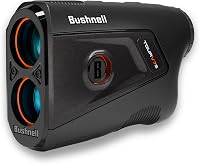
For instance, Bushnell's Tour V6 Shift uses Pinseeker with a red visual ring and vibration to confirm a flag lock. Acer says its Pro model vibrates when it locks onto a flag, and that pin lock remains active when slope is off.
If you want a model with a vibration signal and a slope switch, the Acer Pro is another option. Acer says its pin lock and vibration still work when slope compensation is disabled.
Feedback differs between devices, so read the manual to learn what the vibration or visual signal means. For a broader explanation of laser, GPS, and hybrid devices, see golf range finders explained.
When does pin lock help on the course?
Pin lock is most helpful when the flag is hard to separate from objects behind it. A flag in front of trees is a common example: a reading to the background could be much longer than the distance to the pin.
It can also help when you're learning to aim a laser rangefinder. The confirmation gives you another cue that the unit registered a target, though you still need a clear view and a steady hold.
Pin lock won't remove every challenge. Wind, hand movement, obstructions, and user error can affect how easy it is to get a useful reading.
Does pin lock make every yardage correct?
No, pin lock helps select the target but doesn't guarantee a correct reading. Check that you're aiming at the flag and that the yardage fits the hole and your position.
A rangefinder can return a distance to the wrong object if the beam doesn't register the pin. If the result seems off, aim again or compare it with course markers or a GPS device.
For more on what affects readings, see how accurate golf rangefinders are. You can also review features to check in a golf rangefinder before choosing a model.
Does pin lock work with slope switched off?
It can, depending on the rangefinder. Acer says its Pro keeps pin lock and vibration active when the external switch disables slope compensation.
Slope compensation estimates how elevation changes affect a shot's distance. Pin lock is a separate target-selection feature, so turning off slope doesn't necessarily turn off flag confirmation.
Controls vary by model. If you play in a competition, check the rules and the device's manual to confirm the setup you can use.
Which rangefinder features pair well with pin lock?
Look for clear target feedback and controls you can use without confusion. A visual signal, vibration, or both can help you recognize a flag lock, while an external slope switch may make it easier to disable slope when needed.
The Gogogo Sport Vpro Magnetic combines flag locking with a slope switch and vibration, according to its product features. It may suit golfers who want those functions in one rangefinder.
Compare that with models that show a visual cue as well as vibration, such as the Bushnell Tour V6 Shift. Decide which feedback you can notice easily while aiming.
How should you use pin lock?
Follow the manual, aim steadily at the flag, and wait for the device's lock signal. If the yardage doesn't fit the hole, take another reading rather than relying on the signal alone.
- Hold the rangefinder securely and bring the flag into the viewfinder.
- Aim at the flagstick and use the model's measurement control.
- Watch or listen for its lock confirmation, such as a vibration or flashing ring.
- Check whether the displayed distance makes sense for your position.
- Repeat the reading if the signal or yardage seems unclear.
Buttons, aiming marks, and confirmation signals differ across models. Learn them before a round so you can read the display without slowing down play.
Is pin lock worth having?
Pin lock is useful if you often aim at flags with trees or other background objects behind them. Vibration or visual feedback can also make it easier to notice when a model registers the target.
It may matter less on open holes where the flag is easy to isolate. Compare the feature alongside controls, display, and whether you want slope compensation.
If you want help deciding whether a laser device fits your game, read what a golf rangefinder does. Choose a model whose confirmation signals and controls are clear to you, then verify any doubtful yardage with another source.
Frequently asked questions
What does pin lock mean on a golf rangefinder?
Pin lock is a feature that helps a laser rangefinder select a flagstick as its target when other objects are behind it. The device may confirm a lock with vibration, a visual signal, or both.
The exact feedback and operating steps vary by model, so check the manual.
Does pin lock make a golf rangefinder more accurate?
Pin lock helps you target the flag instead of an object farther behind it, but it doesn't guarantee every reading is correct. Aim steadily, follow the device's instructions, and compare the yardage with the hole layout or another distance source if a reading seems unusual.
Do all golf rangefinders vibrate when they lock onto a pin?
No. Some rangefinders use vibration, a visual signal, or both, while others may confirm a target in a different way.
Check the model's features and manual before buying if haptic feedback matters to you.
Can you use pin lock with slope turned off?
On some models, pin lock remains active when slope compensation is turned off. For example, Acer says its pin lock and vibration continue to work with slope disabled.
Controls differ by device, so check the manual and follow competition rules.