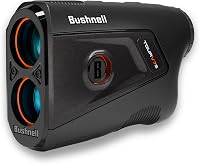
Golf Range Finders Explained: Laser, GPS and Hybrid
A golf range finder uses laser, GPS or both to estimate course distances. Choose laser for a direct reading to a visible target, GPS for mapped yardages around the hole, or a hybrid if you want both.
On this page (8 sections)
- What does a golf range finder measure?
- How does a laser golf range finder work?
- How does GPS work on the course?
- Is laser or GPS better for your game?
- What is a hybrid golf range finder?
- Which features should you compare?
- How should you choose a golf range finder?
- Golf range finder: which type should you pick?
A golf range finder estimates distance to help you choose a club and plan a shot. Laser models measure a target you aim at, GPS models show mapped course distances, and hybrid setups combine both methods.
For a simple choice, pick laser if you want a reading to a visible flag or other target. Pick GPS if you want yardages to several points without aiming, and consider a hybrid when you want both views available.
The right type depends on how you play, what information you use and whether you want to handle a handheld device, a watch or both. Start with the differences, then narrow the choice by features and course habits.
What does a golf range finder measure?
A golf range finder measures distance to a target or a mapped point on the course. Laser measures the target in its line of sight; GPS estimates distance from your location to course map points.
A laser is useful when you can see the flag, a bunker edge or another target. You point the device and take a reading, so the result depends on aiming at the intended object.
GPS uses course maps to show yardages, often to the front, middle and back of a green. Depending on the device, it can also show hazards, doglegs or a drawn view of the hole.
Neither method picks your club for you. You still need to account for your normal distances, lie, wind, obstacles and the shot you are comfortable making.
If you're new to the category, our guide to what a golf rangefinder does explains the basic readings and common uses.
How does a laser golf range finder work?
A laser range finder sends a beam toward a visible target and calculates distance from the returning signal. It works best when you can aim clearly at the object you want to measure.
Laser devices often include features to help distinguish a flag from objects behind it. Some models confirm a target with a vibration or visual cue, but the exact feature depends on the model.
Slope is another option on some lasers. It adjusts the displayed distance for elevation change, which can help with shot planning, but check competition rules before using that function in a tournament.
The Bushnell Tour V7 Shift pairs slope adjusted and actual distances on a dual-color display, and includes yardage recall. {{product B0GLTR38BD | A laser with slope-adjusted and actual distances shown in different colors, plus recall of the last measured yardage.}}
The Callaway 300 Pro has an external slope switch, pin acquisition technology and a pulse confirmation. Its stated laser range is 5 to 1,000 yards, with measurement in yards or meters. {{product B01KP195PY | A laser option with an external slope switch, pin-lock confirmation and a built-in magnet for cart access.}}
A laser can be a strong fit if you want a direct measurement to a particular visible target. It is less convenient when you cannot see the target or prefer to check multiple course points without aiming again.
How does GPS work on the course?
A golf GPS device uses course maps and your location to show distances to mapped points. It helps when you want front, middle and back yardages or information about hazards without aiming a laser.
The exact information varies by device and course map. Some GPS units show hole shape and hazard locations, while watches may add a screen view, scoring and phone notifications.
The Garmin Approach G12 is a clip-on GPS device with more than 42,000 preloaded courses. It shows distances to the front, back and middle of the green, plus hazards and doglegs; wireless course updates and app uploads require pairing with a compatible smartphone. {{product B08X1M9CT8 | A clip-on GPS for mapped green and hazard distances, with more than 42,000 preloaded courses.}}
The Garmin Approach S44 is a GPS golf watch with a 1.2-inch AMOLED display and more than 43,000 preloaded courses. It shows green and hazard distances, keeps score and can send smart notifications when paired with a compatible phone. {{product B0DRZ1WN36 | A wrist-worn GPS option for green and hazard distances, scoring and phone notifications.}}
GPS can be a good fit if you prefer a quick view of several mapped distances. It may be less suited to measuring an unmarked target, and the detail you see can depend on course coverage and device features.
For more options, compare golf GPS watches and handheld devices.
Is laser or GPS better for your game?
Laser is better when you want a distance to a specific visible target; GPS is better when you want mapped yardages at a glance. Your usual decisions on the course matter more than choosing the most feature-packed device.
| Your preference | Type to consider | Why |
|---|---|---|
| Measure the flag or a visible target | Laser | You aim at the object for a direct reading |
| See front, middle and back yardages | GPS | The device presents mapped points on the green |
| Check hazards and doglegs | GPS | Many course maps include these features |
| Measure a target not shown on the course map | Laser | You can aim at it if it is visible |
| Avoid aiming before every distance check | GPS | Yardages are shown from your location |
| Use both mapped and target readings | Hybrid | Combines GPS and laser tools |
Think about pace of play, too. A familiar GPS display can make it easy to check a few points quickly, while a laser may suit you if you usually measure one clear target before a shot.
If you're still weighing whether a device is worth carrying, read whether you need a golf rangefinder.
What is a hybrid golf range finder?
A hybrid golf range finder combines laser readings with GPS course information. It can give you mapped yardages and a way to measure a visible target, but it adds another system to learn and maintain.
Hybrid can mean different things across products. Check whether both functions are built into one device or whether the setup pairs separate devices, and confirm which features work without a phone.
A hybrid may suit golfers who regularly use green yardages and also want to measure targets that are not represented on the map. If you mostly need one kind of distance, paying for both methods may add complexity without helping your routine.
Before choosing a hybrid, compare its display, controls, course coverage, battery needs and whether its laser includes slope. Confirm which features you can turn off if you play in events with equipment rules.
Which features should you compare?
Compare the display, target confirmation, slope controls, course coverage, battery and mounting style. A feature matters when it makes a distance easier to read or use during your round.
Display and readability
Look for a display you can read in the light where you play. Laser displays may use different colors or brightness settings, while GPS screens vary in size and layout.
If you prefer fewer steps, consider whether the device shows the distance you need immediately. A watch or clip-on unit can keep yardages in view, while a laser requires you to aim at a target.
Target confirmation and pin lock
Laser target aids can help you tell whether you've locked onto the flag or a background object. Features such as vibration or visual signals are useful only if you can recognize them and they work with your aiming style.
Slope and event use
Slope gives an adjusted distance based on elevation change. The Callaway 300 Pro's external switch lets you turn its slope feature off; verify the rules for any event you plan to enter.
Course maps and updates
GPS usefulness depends on having the courses you play and the information you want. Check whether courses are preloaded, how updates work and whether a compatible phone is needed.
Battery and carrying style
A laser or GPS device needs to last through your rounds and fit the way you carry gear. Check whether it uses a replaceable or rechargeable battery, its stated operating time and whether it clips, mounts or wears on your wrist.
The Garmin Approach G12 is rated for up to 30 hours in GPS mode. The Garmin Approach S44 is rated for up to 15 hours in GPS mode.
How should you choose a golf range finder?
Choose by matching the measuring method to the distances you check most often. Start with laser for visible targets, GPS for mapped points, and hybrid when you regularly need both.
Use this short checklist:
- Write down the distances you check on a typical hole.
- Decide whether you usually aim at a flag or prefer mapped green points.
- Note whether you want hazard and dogleg information.
- Check if slope is useful and whether you need to switch it off.
- Choose a form you will carry and use consistently.
- Confirm course coverage and phone requirements for GPS features.
A range finder is a support tool, not a club recommendation. Use its reading alongside your own distance patterns and the conditions of the shot.
For model-specific options, browse our golf rangefinder picks and compare them with the best golf rangefinders for everyday golfers.
Golf range finder: which type should you pick?
Pick laser if you want a direct distance to visible targets, GPS if you want mapped yardages and course features, or hybrid if you will use both regularly. The best golf range finder for you is the one that gives you useful distances in a format you'll check during play.
If you want to compare specific models next, start with our laser rangefinder picks or explore golf GPS devices.
Frequently asked questions
Is a laser or GPS golf range finder more accurate?
A laser gives a distance to the object you aim at, while GPS gives mapped distances to course points such as the front, middle and back of a green. Which is more useful depends on the target and the course map.
A laser reading also depends on holding steady and aiming at the right object.
Can a golf range finder measure through trees?
A laser needs a clear line of sight to its target, so trees or other obstructions can block a reading. GPS can show mapped yardages without aiming at a visible target, though the useful detail depends on the device and course data.
Do golf range finders include slope?
Some laser range finders calculate a slope-adjusted distance from elevation changes, while others show only straight-line distance. Check whether the model has slope and whether it can be switched off if you play under rules that restrict slope functions.
Do you need a phone for a golf GPS range finder?
Not always. GPS devices can provide on-course yardages without a phone, but some features, such as course updates or app uploads, may require pairing with a compatible smartphone.
Check which functions work on the device itself before choosing.