Can You Take a Golf Rangefinder on a Plane?
Yes, you can usually take a golf rangefinder on a plane. Pack it in your carry-on for easy access, and follow airline and FAA rules for any spare batteries.
On this page (7 sections)
- Can you take a golf rangefinder on a plane in your carry-on?
- Can you pack a rangefinder in checked luggage?
- How should you pack rangefinder batteries for a flight?
- Does the rangefinder case count as a separate item?
- What should you check before you leave?
- Can you use a golf rangefinder during a flight?
- What is the simplest way to pack a rangefinder for air travel?
Yes, you can usually take a golf rangefinder on a plane. Keep the device protected in your carry-on, and pack spare lithium batteries in the cabin rather than checked baggage.
A rangefinder is a small electronic device, so the main packing question is usually its battery. Rules can depend on the battery type and your airline, so check the carrier's guidance before you leave.
Can you take a golf rangefinder on a plane in your carry-on?
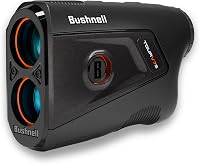
Yes, a golf rangefinder can generally go in your carry-on bag. Keep it switched off and protected from knocks, and place it where you can reach it if security staff ask to inspect it.
Airport screening procedures can vary. Follow the instructions you receive at the checkpoint, and allow a little extra time if you have golf gear or other electronics in your bag.
A hard case can help keep the rangefinder from getting pressed or scratched among other items. The ACHIX Hard Shell Case has a carabiner and belt loop, and its stated dimensions are 5.59 x 3.7 x 2.1 in.
Check your rangefinder's dimensions before choosing a case. A case that closes around the device at home may not leave room for its lens cloth or other accessories.
Can you pack a rangefinder in checked luggage?
A rangefinder may travel in checked luggage, but a carry-on keeps it accessible and easier to protect. If you check your golf bag, cushion the device inside its case and pack it so heavier items won't press against it.
Battery rules still matter when you check a device. The FAA says lithium battery powered devices in checked baggage must be completely switched off and protected from accidental activation and damage.
The EVA Hard Shell Rangefinder Case has a zipper, soft lining, carabiner, and belt loop. Its internal dimensions are 4.7 x 3.3 x 1.9 in, so compare those measurements with your rangefinder first.
Keep anything you may need during the flight in your cabin bag. If the airline asks you to gate-check your carry-on, remove spare lithium batteries and keep them with you.
How should you pack rangefinder batteries for a flight?
Pack spare lithium batteries in your carry-on, never in checked baggage. Protect each one from damage and short circuits by using its original packaging or covering the terminals and placing it separately.
The FAA's passenger battery guidance covers lithium metal and rechargeable lithium-ion batteries. Spare lithium metal batteries are allowed in carry-on baggage when they contain no more than 2 grams of lithium per battery; follow airline guidance for any additional limits.
The Energizer CR2 Lithium (2 pack) is a pair of 3-volt, non-rechargeable lithium CR2 cells. Check your rangefinder's manual for its required battery type before packing replacements.
Store spare batteries so their terminals can't touch coins, keys, or other metal objects. If you aren't sure whether your rangefinder uses a CR2, check the battery compartment or manual before buying a replacement.
For help identifying battery type and lifespan, read our guide to the golf rangefinder battery.
What if the battery is installed in the rangefinder?
An installed battery is treated differently from a spare battery. Keep the rangefinder switched off and protected, and check your airline's instructions for battery-powered devices in checked baggage.
If you take the battery out, it becomes a spare. Keep it with you in the cabin and protect its terminals.
Does the rangefinder case count as a separate item?
The case itself doesn't change the battery rules. Put the rangefinder and case inside your carry-on or golf bag, and check your airline's size and baggage limits for that bag.
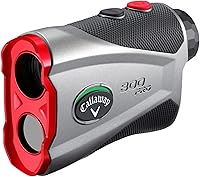
A compact case may be easier to pack with clubs and clothing. The Callaway 300 Pro comes with a molded hard carry case, and its stated body dimensions are 4 x 2.7 x 1.4 in.
The Callaway 300 Pro uses a lithium battery, so follow the airline's rules for its installed battery and any spares. To understand how a laser model measures distance, see what a golf rangefinder is and what it does.
What should you check before you leave?
Check your airline's baggage and battery rules before packing. Rules and screening decisions can vary by carrier, airport, and route.
Use this quick packing list:
- Switch the rangefinder off.
- Protect it in a case.
- Carry spare lithium batteries in your cabin bag.
- Protect spare battery terminals from short circuits.
- Keep batteries accessible if your carry-on is gate-checked.
- Check your airline's rules for your route and baggage.
If you're bringing your clubs, confirm the airline's golf-bag size, weight, and fee rules separately. Those policies are different from the battery rules for your rangefinder.
For details on a rangefinder's internal power source and replacement timing, see golf rangefinder battery types and life. If you plan to use a magnetic case or mount on the course, our guide to a golf rangefinder magnetic mount explains that setup.
Can you use a golf rangefinder during a flight?
Pack it for the flight, but wait until you're on the course to use it. Follow crew instructions about electronic devices during boarding, taxi, takeoff, and landing.
Once you reach the course, tournament rules may affect whether you can use a rangefinder during play. Our guide to whether PGA golfers can use rangefinders explains the distinction between device features and competition rules.
What is the simplest way to pack a rangefinder for air travel?
Put the switched-off rangefinder in a protective case in your carry-on, and keep all spare lithium batteries in the cabin. That approach keeps the device close and follows the FAA's rule for spare lithium batteries.
Choose a separate case if your rangefinder needs more protection or its included case doesn't fit your packing plan. Check case dimensions against your device, and confirm battery type before bringing spares.
For a quick overview of laser, GPS, and hybrid options, read golf rangefinders explained. Check your airline's current baggage guidance before departure.
Frequently asked questions
Can I put a golf rangefinder in my carry-on?
Yes, a golf rangefinder can generally travel in your carry-on bag. Keep it protected in its case, and be ready to remove it if airport security asks to inspect it.
Battery rules still apply, especially for spare lithium batteries, which must stay in the cabin.
Can I pack a golf rangefinder in checked luggage?
A rangefinder may go in checked luggage, but carrying it in the cabin makes it easier to protect and access. If it has a lithium battery, follow the airline and FAA rules for battery-powered devices.
Never put spare lithium batteries in checked baggage.
Can I bring spare CR2 batteries on a plane?
Yes, spare lithium metal batteries such as CR2 cells must be carried in your carry-on or kept with you, not packed in checked baggage. Protect each battery from damage and short circuits, such as by keeping it in its original packaging or covering its terminals.
Should I remove the battery from my rangefinder before flying?
You usually don't need to remove an installed battery from a rangefinder. Switch the device off and protect it from damage or accidental activation.
If you do remove a lithium battery, treat it as a spare and keep it in the cabin with its terminals protected.